Humans Enslaved by Al
 iens
iensThis is the simplest, most pedestrian form of slavery featured in science fiction. Humans are captured and forced to do manual labor, often to build weapons for space warfare.
Wage Slavery
Excuse me if that sounds a little like communist paranoia. By wage slavery I do not mean that humans are held captive by the need to work long hours to earn money to obtain material possession until they die. Instead, I am referring to enforced tributes to an alien species. It is possible for alien overlords (even human overlords) to enslave a population without forcing them into labor at the end of a whip. Instead, a species may simply show itself to be at a military advantage and demand wealth or resources. A different and weaker form of this would be demanding wealth and resources in an unfair exchange for technology, information or aid with the understanding of prolonged indebtedness.
Slavery of Mind
Dystopia novels like 1984 and Brave New World present societies in which thoughts are monitored, controlled, even programmed. In 1984, we are introduced to the idea of thoughtcrime or crimethink. This goes beyond freedom of speech, which we can control, to freedom of thought, which to a large part we cannot control. The mind is the refuge of the sufferer, where one can express what one cannot act. The Thought Police enforce ideology to its deepest roots. When we are not free to think, we are hardly alive at all.
Sleep Learning is the means of mind control in Brave New World. Thoughts, preferences, prejudices are implanted in infancy. But the process begins even in the embryonic stage. The fetuses of the lower castes are limited in brain function. Other elements are manipulated according to the future job of the fetus (for example, those who will work in space must be comfortable working upside down). Deltas, Gammas and Epsilons are bred en masse, identical to siblings of enormous groups. Each class is given a preference for their own class, their own fashion (castes are color coded), ambitions, etc. Each person feels that they have free will but nothing in their personality exists except for their programming - unless you are fortunate enough to be a savage.
Replacement
Common in science fiction is the replacement of one's mind or will with that of an alien species. Invasion of the Body Snatchers features aliens which assume the appearance of individual humans while behaving with a hive mentality. The Puppet Masters is the tale of slug-like aliens that can control animal bodies only while attached to them, often neglecting to maintain the health of the body and changing bodies whenever one dies. In these stories, humans become the unwitting vehicles of their own destruction. They suffer death without their body dieing with their mind. Instead, their bodies are exploited.
Non-Human Slavery
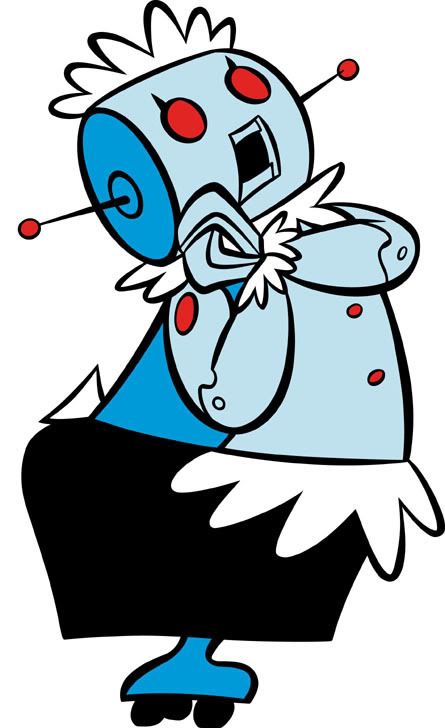
Many works toy with the idea of intelligent, huminoid robots. These robots are functional, created to serve humanity. Their purposes range from sex workers, soldiers, domestics, mechanics, surrogate parents, surrogate children, economic regulators, and advance scouts. The trouble rises when these robots are developed to (or beginning to develop on their own) emote, think independently and feel pain. There are no morals for a mechanical device, but ethics become complicated when robots begin to resemble humans. Something which thinks, feels, hurts, fears cannot be bought and sold, forced into danger, forced into labor without crossing ethical boundaries.


